


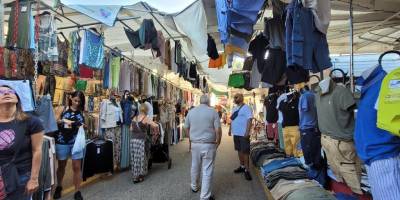
To Market, To Market – the Mercato Experience in Italy
The Mercato is an Italian tradition that goes back centuries.…

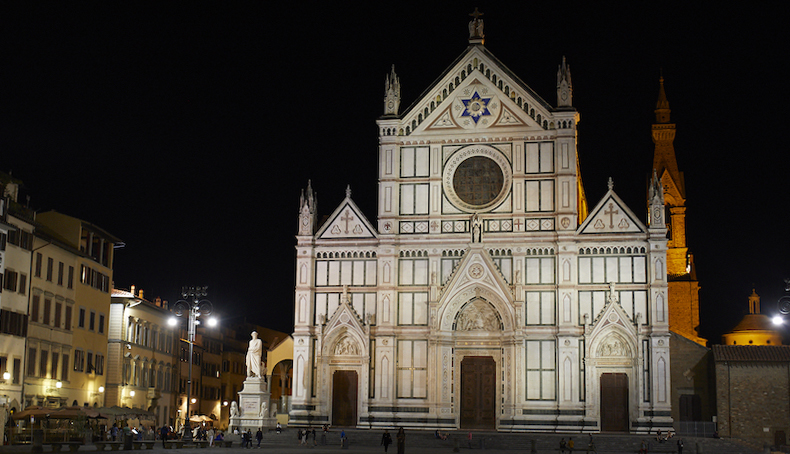
Where Italy’s Most Famous Are Buried
Every year millions of tourists visit the city of Florence and flock to the Uffizi Gallery for its extraordinary collection of Italian Renaissance paintings. Or they visit the Duomo that dominates the city’s skyline. But nearby is the Basilica of Santa Croce, founded by Saint Francis of Assisi, considered by many as the most important church in Florence. The followers of Saint Francis first visited Florence in 1209, congregating outside the city walls and living…
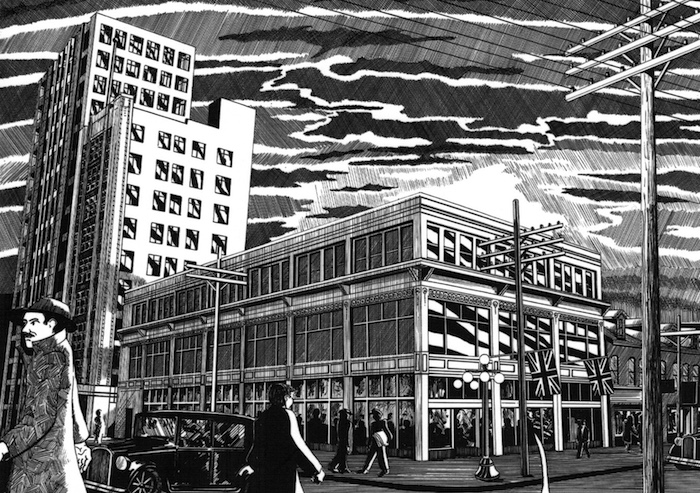
*Excerpt from Cold City, a graphic novel inspired…
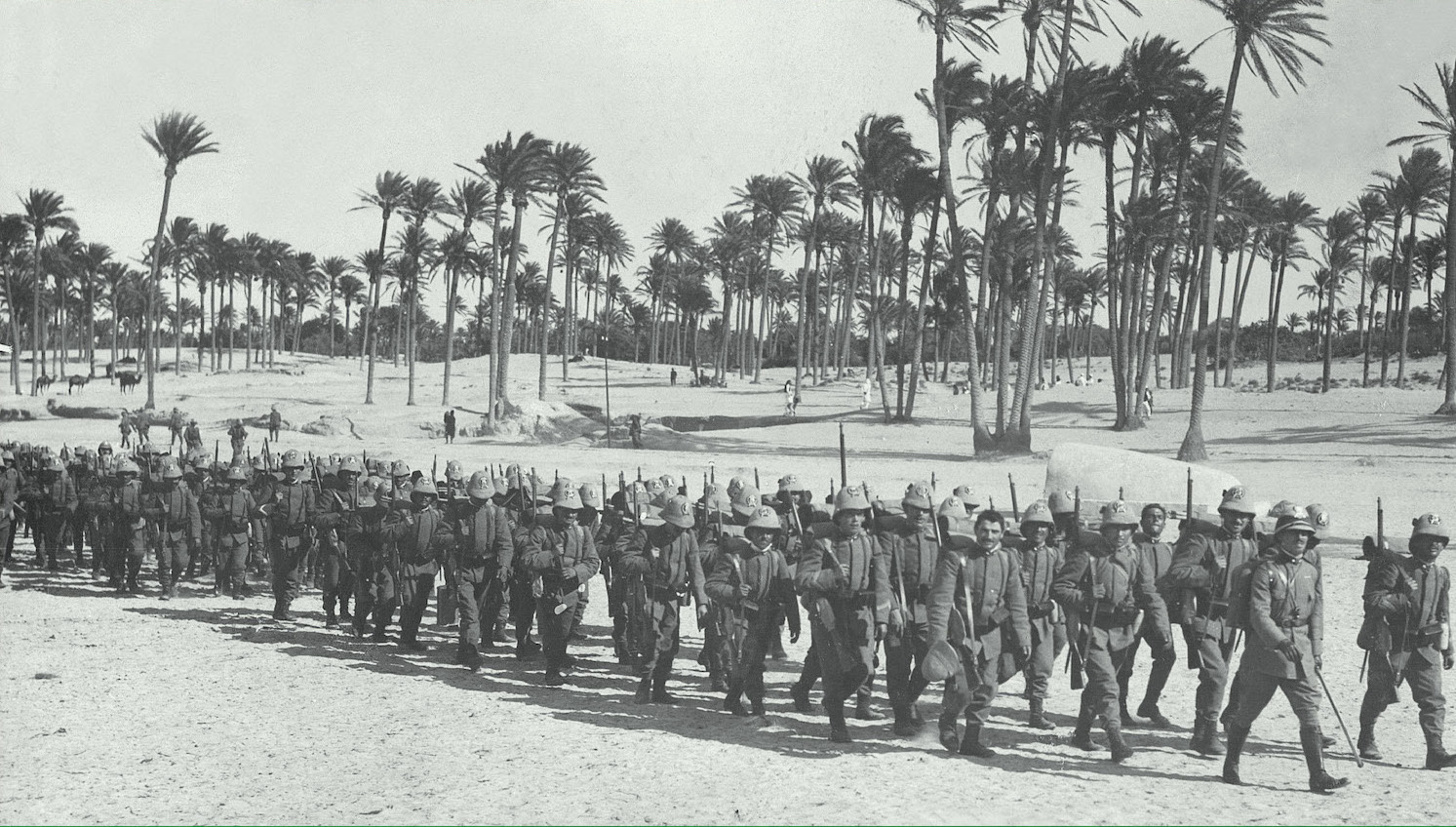
Excerpts from But We Built…
The inaugural Accenti Magazine International…
Severed
The floor is cold. We lie on gray cement, eroded by a decade or more of kids playing mini sticks…

Queer Perspectives on Writing & Family: In Conversation with Christopher DiRaddo and Liana Cusmano
In this interview / conversation, authors Liana Cusmano and Christopher DiRaddo speak about their writing, family and Italian heritage. The…
Mara
Some days the sea was all brute force. A throaty, roaring blast. It slammed its weight against the shore, almost…
Letters of Introduction? Lear, Gissing and Douglas’s Travels to Calabria
For centuries, letters of introduction were considered almost as essential as passports for travelling within what is now Italy. A…
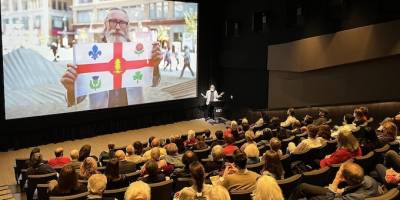
Making Waves: An Interview with Guy Rex Rodgers
Guy Rex Rodgers is the founding executive director (2004-2021) of the English Language Arts Network, or ELAN; "a not-for-profit organization…
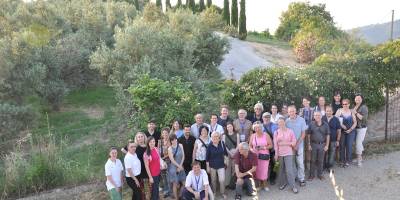
Flash Fiction at Accenti Festival Considers Italy in the World
The inaugural Accenti Magazine International Festival of the Arts, held at the University of Calabria in June/July 2023, asked participants…
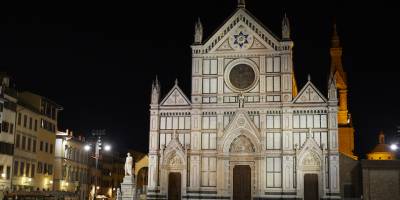
Where Italy’s Most Famous Are Buried
Every year millions of tourists visit the city of Florence and flock to the Uffizi Gallery for its extraordinary collection…

Ottawa’s “Village”
Cars, trucks, and heavy transports bustle down the busy thoroughfare known as Preston Street. A vital link between the city…
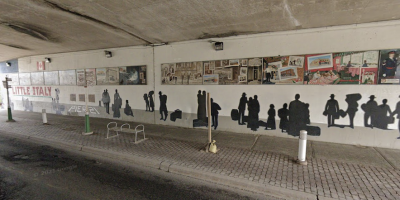
Ottawa’s Little Italy Revives Street Art As It Revives Itself
Ottawa’s Preston Street developed its Italian-Canadian identity well before the 1950s, when the bulk of Italian immigration began. More importantly,…
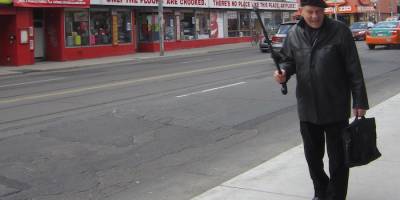
IN MEMORIAM: Remembering Len Gasparini
Curated by George Elliott Clarke When poet Leonard Gasparini passed away in October 2022, aged 81, lost was one of…
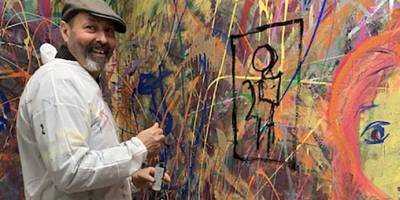
IN MEMORIAM: Remembering Luciano Iacobelli
Luciano Iacobelli passed away on August 30, 2022, after a long illness that eroded his body, but not his spirit.…
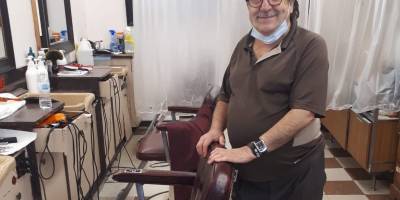
At a Loss – The Science and Art of Being a Hairstylist
Victor DiBenedetto has spent a lifetime discreetly making his customers look and feel their best. For nearly five decades, the…
Letters of Introduction? Lear, Gissing and Douglas’s Travels to Calabria
For centuries, letters of introduction were considered almost as essential as passports for travelling within what is now Italy. A…
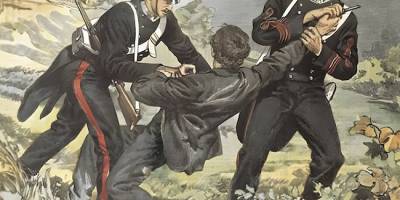
Giuseppe Musolino: Brigand King of Calabria
“He was the Robin Hood of Italy,” my mother said when she first showed me the tattered old book in…
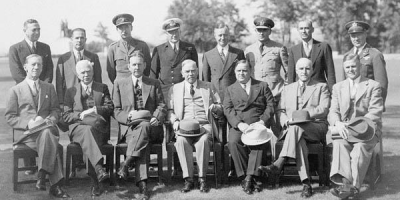
When Fiorello La Guardia Came to Ottawa
Fiorello La Guardia, the larger-than-life mayor of New York City, was the big draw at the Third National Conference of…
Making Waves: An Interview with Guy Rex Rodgers
Guy Rex Rodgers is the founding executive director (2004-2021) of the English Language Arts Network, or ELAN; "a not-for-profit organization…
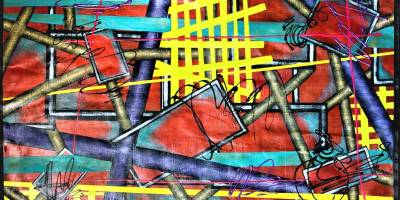
In Conversation with Robert Marra
Born in Toronto, visual artist Robert Marra studied and created ceramic arts while living in Italy in the 1980s. He…
Glenn Carley on His “Urban Opera” Il Vagabondo
In his new book, Il Vagabondo: An Urban Opera (Guernica 2021), Glenn Carley introduces a new avant-garde genre – literature…
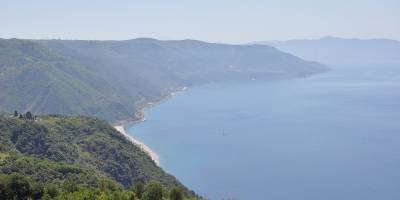
Dining With the Gods – A Travel Essay
After almost half a century living in Toronto’s Little Italy, I make a return journey to the place where I…
More Precious than Diamonds
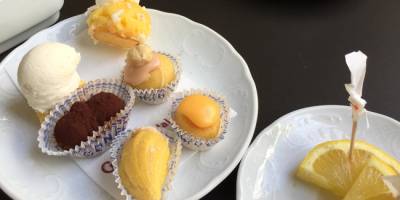
Despite my frequent trips to Italy, I consciously decided never to learn the language. With blissful ignorance, I always preferred…
Italian San Francisco
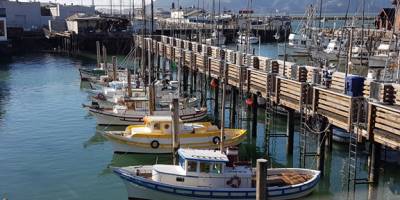
It is impossible to think of San Francisco without its Italian heritage. There are the notables: A.P. Giannini, who founded…

She Deserves to Be Happy: The Illusion of Choice in Michaela Di Cesare’s Extra/Beautiful/U
Michaela Di Cesare’s new play, Extra/Beautiful/U, premiered at Montreal’s Centaur Theatre last November as part of Centaur’s Brave New Looks…
A Review of Domenico Capilongo’s 1972
In one sense, 1972 is an extension of some of Domenico Capilongo’s past work. Once again, Capilongo writes about growing…

A Stroll Through Mark Frutkin’s The Walled Garden
While hoeing his garden one day – so the story goes – Saint Francis of Assisi was asked what he…
Exposing the Soft Underbelly of the Legal System: A Review of Darlene Madott’s Winners and Losers
I approached Winners and Losers, Darlene Madott’s latest literary offering, with high expectations. Her last book, Dying Times, was a…
Stranger in a Strange Land … or How I learned to Love the Hyphen
Culture is a system of values – economic values, aesthetic values, moral values etc – to want to preserve it…
Another Timeless Italian Tradition
It may have been a spoonful of sugar for the family, yet it always left a bitter taste on my…
If Only We Knew
My father-in-law was a contadino from Castropigano. He was brilliant. He had a grade five education. He possessed the patience…
Rinasheremo
Love given wholeheartedly, inclusively and unconditionally is inexhaustible. – Anonymous The first time I acknowledged it out loud, I was…
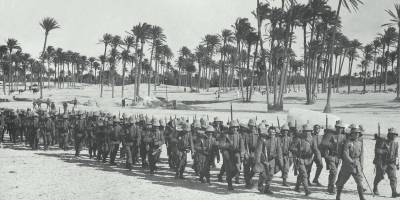
Italy’s Colonial Past Amid the Lies, Racism, and Selective Amnesia
Excerpts from But We Built Roads for Them: The Lies, Racism, and Amnesia that Bury Italy’s Colonial Past, from the…
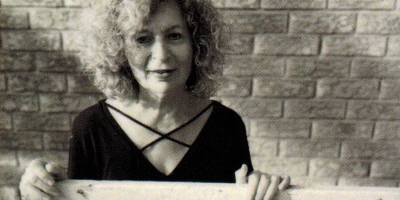
Feeling God’s Presence: A Review of Mary Melfi’s Welcome to Hard Times
Mary Melfi has written over a dozen books, including fiction, non-fiction, memoires and plays, and her books have been translated…
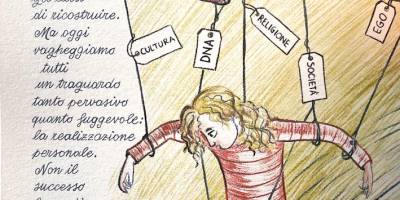
In Search of an Altered Identity in Bruna Martini’s Roots-Radici
Roots, Radici. (BeccoGiallo, 2022) is Bruna Martini’s new installment in her graphic memoir series and examines the author’s own altered…
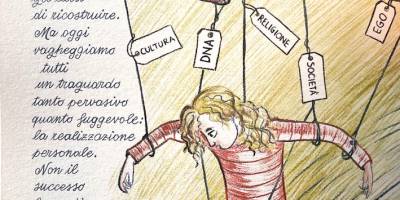
Alla scoperta di un’identità mutata in Roots / Radici di Bruna Martini
Bruna Martini torna a sorprenderci nuovamente con il suo graphic memoir, Roots. Radici, (BeccoGiallo, 2022) alla riscoperta della propria “identità…
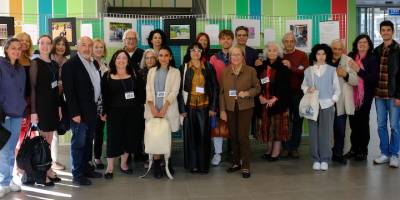
Italian-Canadian Writers Gather in Torino for Biennial Conference
The Association of Italian-Canadian Writers (AICW) held its biennial conference at the University of Torino, in Torino, Italy, from September…
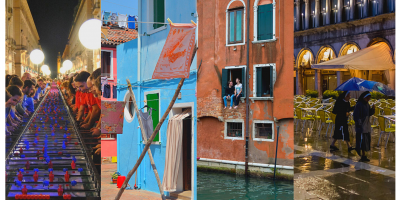
2021 Accenti Contests – Winners Announced
Montreal, May 16, 2021 – We are pleased to report the names of the winners of the 2021 Accenti…
Creative Spaces: Queer and Italian-Canadian
What does it mean to be queer and Italian-Canadian? And what experiences do queer Italian-Canadians have when their sexual orientation…
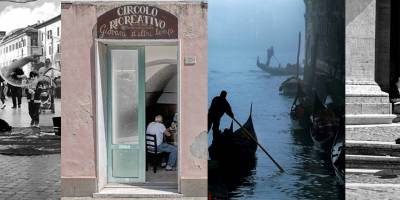
2020 Accenti Contests – Winners Announced
Montreal, May 26, 2020 – Publisher Domenic Cusmano and Editor-in-chief Licia Canton are pleased to announce the winners of the 2020…